By Youths
By Youths
Unseen until I Bled: Rin’s Story.
Unseen until I Bled: Rin’s Story.
Rin writes movingly about how he experienced many of the symptoms of psychosis, and yet was not taken seriously when he reached out for help. He tells his story with the hope that others will be listened to.
Rin writes movingly about how he experienced many of the symptoms of psychosis, and yet was not taken seriously when he reached out for help. He tells his story with the hope that others will be listened to.
Rin
Rin
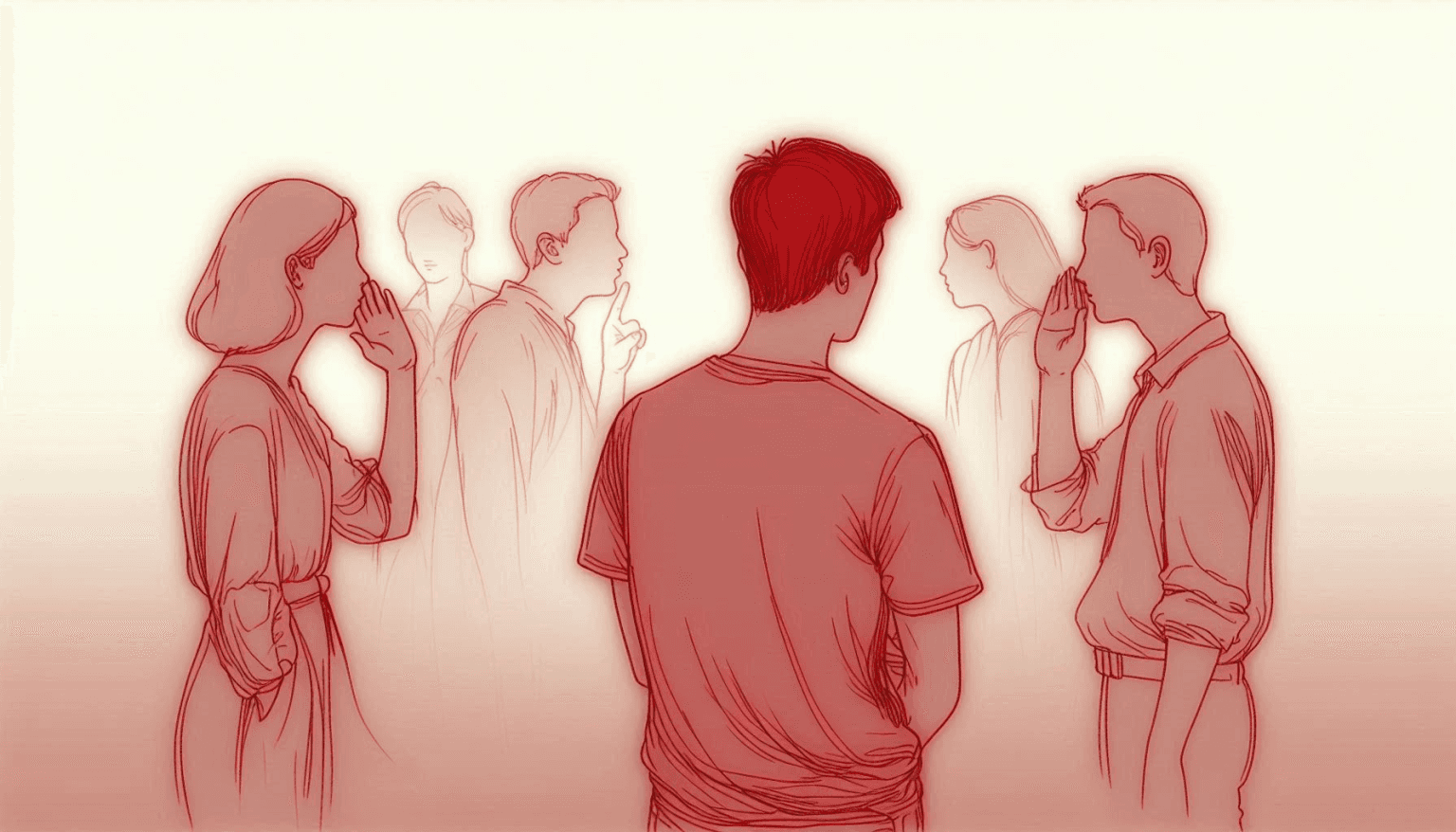
My dreams were crushed by an illness everyone ignored. Today, I live with the consequences. I can’t get into most schools, and I keep getting rejected from jobs because I carry a medical history I didn’t choose. I’m sharing my story in hopes of preventing another case like mine.
At one point in Sec 2, I remember telling a teacher, “I don’t see myself alive past 17.”
She dismissed it as exam stress.
But my comment wasn’t a random outburst. I was skipping school, getting into fights, and struggling quietly. The school knew I had issues but no one took it seriously. They just gave me lots of detention threats and many sessions at the counsellor for “anger management”. At the time, I didn’t know what I was experiencing were pre-psychotic symptoms, and neither did they.
It’s not right for schools to say, “Talk to a teacher,” when many teachers aren’t trained to recognise the difference between burnout and serious mental illness. After stopping my mother’s suicide attempt in the same year, something in me broke. I didn’t realise it, but I was already falling ill. I just thought, “I’m tired all the time.” I thought it was because I was working part-time on weekends. I was just trying to help my family out since my dad retired.
Untreated illness hides well but one of its clearer signs is that it is long-lasting. I was moody, reactive, often hallucinating sounds like the school bell, national anthem or whispers calling my name in the middle of lesson or the school day. I even saw shadowy figures in the corner of my eyes, not just before exam period, but for the whole year and longer. It was all brushed off as “stress.” I started to believe this, telling myself, “Well. there’s nothing really wrong with me, right?”
When I was 17, I was studying for a full-time diploma I had no interest in. I was only there because it was what my parents wanted. That was when the first psychotic episode happened.
It started gradually. I lost interest in exercise, friendships, even my mum’s cooking. Every day felt grey and the same, like a constant time loop. One day when I was working in the evening after school, I heard the voice in my left ear, saying “Kill your family. They need it.”
It didn’t sound like a thought. It sounded exactly like a man behind me. I didn’t tell anyone because I didn’t know how to raise the topic.
Was this normal? Was I going crazy? I searched online forums and mental health sites. I thought maybe these were just intrusive thoughts. That made it worse, making me feel like a terrible person.
While I was already anxious about the voice, my school attendance dropped. I couldn’t sleep because I was obsessing over my moral worth. Why would I think like this? Then during the day, I didn’t have energy to leave my bed. On days when I did go to school, I would often fall asleep in long lectures and I couldn’t pay attention. For the first term, I failed three out of five subjects. My parents thought I was slacking off. My professor even told me, “Just bear with it. You need the diploma whether you like it or not.” I felt I was getting blamed for the choices my parents made for me. Everything was spiraling. I couldn’t take it anymore.
So I ran away. I wrote a note, “Don’t call the police. I’ll be back when I feel like it.” I lived on the streets for nearly two weeks.
I became an alcoholic, I slept on park benches. I drank so much at one point that I was kicked off bus 187. I remembered how humiliating it was, vomiting on the grass at a random bus stop, having to go back and collect my bag that I’d left on the bus, and scrubbing my jacket by a drain with a bar of soap the next day because it reeked of beer.
I walked long distances all night because I didn’t feel safe with my own mind. I felt the need to punish myself until exhaustion. No matter how badly my feet ached in my boots, I kept telling myself, “I’m a horrible person. I deserve this.” During that same timeframe, a junior I once knew died by suicide. I felt overwhelming guilt. Had I scolded him too hard? Had I limited his game time with his friends too much? I just felt so much weight that I couldn’t save him, or ever earn his forgiveness. It further ruined the mental state I was already in and the voice got louder.
Eventually I got so tired that I begged the voice, “Please, don’t hurt my family. Take me instead.” It went quiet for a moment. I came home and I thought I could finally rest. Then the voice returned, “Grab the bleach. Fill a cup. Drink it now.” I made a promise that I would protect my family. So I did it. The first cup burned my tongue, my throat and my stomach. I felt the painful corrosion. The voice said, “Cheers.” I poured and drank another half. I kept vomiting until I couldn’t breathe.
I was hospitalised, but even then I didn’t tell anyone the truth because I felt that nobody would believe me. The doctors thought it was just a mood disorder and labelled it a suicide attempt, even when I wasn’t actively suicidal. I had a second episode and another hospitalisation but this time at IMH. I was then officially diagnosed a month later, with severe recurrent Major Depressive Disorder (MDD) with psychotic features in 2024. It took two psychotic episodes for my diagnosis.
When I was in and out of IMH, I was told, “Why didn’t you speak up earlier?”
I did. No one listened. So I thought this was all normal.
But it never had to get that far. I had been asking for help since I was 14. I was saying, “Something feels wrong with me,” and I kept hearing, “It’s just stress.” So eventually, I stopped asking. Until it nearly killed me.
When I started receiving treatment, I had to re-learn how to express my emotions. I spent many long sessions in therapy learning how to reflect and catch abnormal feelings or thoughts because for the longest time, I suppressed them thinking it was just me. It was initially difficult to explain it to my family, but even when they had their fears, they tried their best to support me. My parents supported my decision to drop out during recovery, even if it meant that I might never get a local diploma in the future. Now when something feels off or unreal, I can immediately recognise it and report it with no shame compared to my first psychotic episode. It made me accept that the voices are part of an illness, not a character flaw and the illness didn’t define me for who I was.
Now that I’ve survived, I’ll speak for those who didn’t. This system failed me. It failed my junior, who never made it to 18. Please don’t let the next student go unheard. Let them know that whatever they are silently suffering from, it isn’t their fault.
Rin is an ex-student who aims to join art school and be a songwriter, developing music pieces touching on difficult mental health topics. He hopes that one day, he can live in peace with his illness and that people would see him as a person beyond the diagnosis.
Read more of our Tapestry Stories here.
Image Credit: Microsoft Designer
My dreams were crushed by an illness everyone ignored. Today, I live with the consequences. I can’t get into most schools, and I keep getting rejected from jobs because I carry a medical history I didn’t choose. I’m sharing my story in hopes of preventing another case like mine.
At one point in Sec 2, I remember telling a teacher, “I don’t see myself alive past 17.”
She dismissed it as exam stress.
But my comment wasn’t a random outburst. I was skipping school, getting into fights, and struggling quietly. The school knew I had issues but no one took it seriously. They just gave me lots of detention threats and many sessions at the counsellor for “anger management”. At the time, I didn’t know what I was experiencing were pre-psychotic symptoms, and neither did they.
It’s not right for schools to say, “Talk to a teacher,” when many teachers aren’t trained to recognise the difference between burnout and serious mental illness. After stopping my mother’s suicide attempt in the same year, something in me broke. I didn’t realise it, but I was already falling ill. I just thought, “I’m tired all the time.” I thought it was because I was working part-time on weekends. I was just trying to help my family out since my dad retired.
Untreated illness hides well but one of its clearer signs is that it is long-lasting. I was moody, reactive, often hallucinating sounds like the school bell, national anthem or whispers calling my name in the middle of lesson or the school day. I even saw shadowy figures in the corner of my eyes, not just before exam period, but for the whole year and longer. It was all brushed off as “stress.” I started to believe this, telling myself, “Well. there’s nothing really wrong with me, right?”
When I was 17, I was studying for a full-time diploma I had no interest in. I was only there because it was what my parents wanted. That was when the first psychotic episode happened.
It started gradually. I lost interest in exercise, friendships, even my mum’s cooking. Every day felt grey and the same, like a constant time loop. One day when I was working in the evening after school, I heard the voice in my left ear, saying “Kill your family. They need it.”
It didn’t sound like a thought. It sounded exactly like a man behind me. I didn’t tell anyone because I didn’t know how to raise the topic.
Was this normal? Was I going crazy? I searched online forums and mental health sites. I thought maybe these were just intrusive thoughts. That made it worse, making me feel like a terrible person.
While I was already anxious about the voice, my school attendance dropped. I couldn’t sleep because I was obsessing over my moral worth. Why would I think like this? Then during the day, I didn’t have energy to leave my bed. On days when I did go to school, I would often fall asleep in long lectures and I couldn’t pay attention. For the first term, I failed three out of five subjects. My parents thought I was slacking off. My professor even told me, “Just bear with it. You need the diploma whether you like it or not.” I felt I was getting blamed for the choices my parents made for me. Everything was spiraling. I couldn’t take it anymore.
So I ran away. I wrote a note, “Don’t call the police. I’ll be back when I feel like it.” I lived on the streets for nearly two weeks.
I became an alcoholic, I slept on park benches. I drank so much at one point that I was kicked off bus 187. I remembered how humiliating it was, vomiting on the grass at a random bus stop, having to go back and collect my bag that I’d left on the bus, and scrubbing my jacket by a drain with a bar of soap the next day because it reeked of beer.
I walked long distances all night because I didn’t feel safe with my own mind. I felt the need to punish myself until exhaustion. No matter how badly my feet ached in my boots, I kept telling myself, “I’m a horrible person. I deserve this.” During that same timeframe, a junior I once knew died by suicide. I felt overwhelming guilt. Had I scolded him too hard? Had I limited his game time with his friends too much? I just felt so much weight that I couldn’t save him, or ever earn his forgiveness. It further ruined the mental state I was already in and the voice got louder.
Eventually I got so tired that I begged the voice, “Please, don’t hurt my family. Take me instead.” It went quiet for a moment. I came home and I thought I could finally rest. Then the voice returned, “Grab the bleach. Fill a cup. Drink it now.” I made a promise that I would protect my family. So I did it. The first cup burned my tongue, my throat and my stomach. I felt the painful corrosion. The voice said, “Cheers.” I poured and drank another half. I kept vomiting until I couldn’t breathe.
I was hospitalised, but even then I didn’t tell anyone the truth because I felt that nobody would believe me. The doctors thought it was just a mood disorder and labelled it a suicide attempt, even when I wasn’t actively suicidal. I had a second episode and another hospitalisation but this time at IMH. I was then officially diagnosed a month later, with severe recurrent Major Depressive Disorder (MDD) with psychotic features in 2024. It took two psychotic episodes for my diagnosis.
When I was in and out of IMH, I was told, “Why didn’t you speak up earlier?”
I did. No one listened. So I thought this was all normal.
But it never had to get that far. I had been asking for help since I was 14. I was saying, “Something feels wrong with me,” and I kept hearing, “It’s just stress.” So eventually, I stopped asking. Until it nearly killed me.
When I started receiving treatment, I had to re-learn how to express my emotions. I spent many long sessions in therapy learning how to reflect and catch abnormal feelings or thoughts because for the longest time, I suppressed them thinking it was just me. It was initially difficult to explain it to my family, but even when they had their fears, they tried their best to support me. My parents supported my decision to drop out during recovery, even if it meant that I might never get a local diploma in the future. Now when something feels off or unreal, I can immediately recognise it and report it with no shame compared to my first psychotic episode. It made me accept that the voices are part of an illness, not a character flaw and the illness didn’t define me for who I was.
Now that I’ve survived, I’ll speak for those who didn’t. This system failed me. It failed my junior, who never made it to 18. Please don’t let the next student go unheard. Let them know that whatever they are silently suffering from, it isn’t their fault.
Rin is an ex-student who aims to join art school and be a songwriter, developing music pieces touching on difficult mental health topics. He hopes that one day, he can live in peace with his illness and that people would see him as a person beyond the diagnosis.
Read more of our Tapestry Stories here.
Image Credit: Microsoft Designer


hello@thetapestryproject.sg
The Foundry, 11 Prinsep Link, Singapore 187949
hello@thetapestryproject.sg
The Foundry, 11 Prinsep Link, Singapore 187949
hello@thetapestryproject.sg
The Foundry, 11 Prinsep Link, Singapore 187949
hello@thetapestryproject.sg
The Foundry, 11 Prinsep Link, Singapore 187949